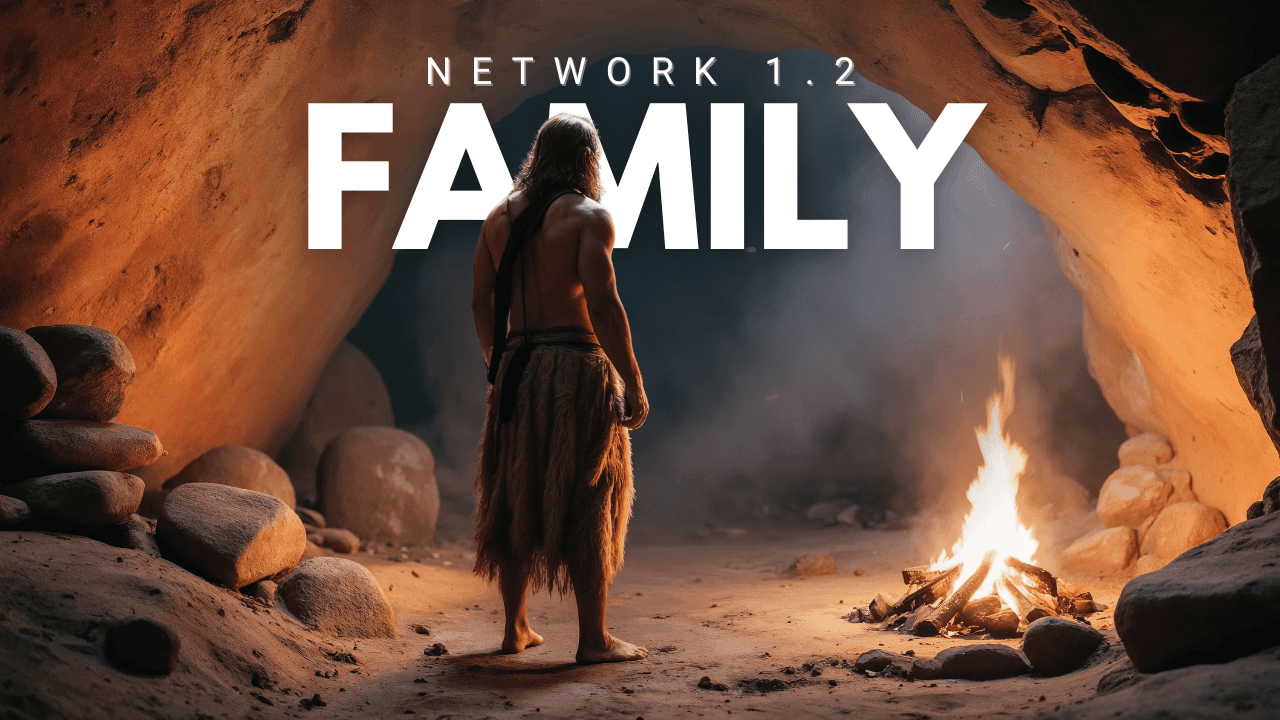
Investigation 1.1 - Ancient Conditions Which Forced The Family Network

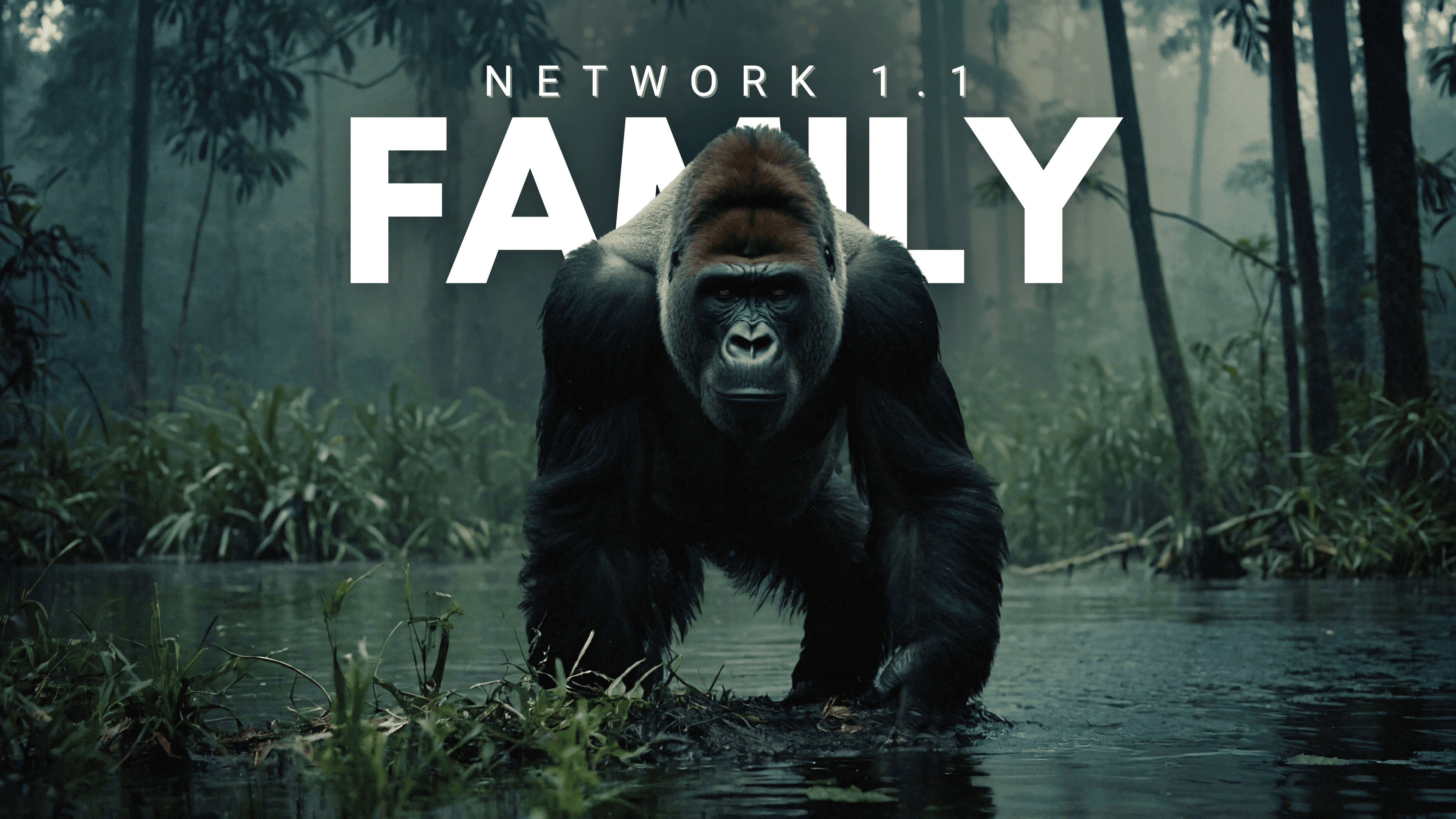
Picture this: you wake up from a restful night's sleep in your favorite tree. Nature’s daily cacophony surrounds you. These African rainforests are lush and teeming with fruit and life. You are Tomaui, an early Sahelanthropus tchadensis male, thriving seven million years ago. Your strength lets you climb with ease; food is plentiful, and you spend your days eating leaves and digesting. Life here is solitary and secure—no one relies on you, and no one hunts you. Your main duty is to reproduce, accomplished by fighting off other males to claim your territory. Lucky for you, you have many mates and a vast range. Confident that your genes will persist, you rarely worry about the future. But the world will soon change for your kin.
Now, it's about five million years ago. Tomaui’s direct descendants are long gone. Life is colder, drier, and the forests have fragmented. Walking to find food has become a necessity. You are Ardi, an Ardipithecus. As the forests thin, walking upright saves you energy and allows you to travel between patches, though climbing is harder. It's a vital tradeoff: you cover more ground, which means survival. As your children adopt bipedalism, you glimpse the profound changes ahead.
Three million years ago, you were an Australopithecus. Still hairy, still tournament mating, you now walk effortlessly upright—your pelvis shaped for efficient movement. Trees are harder to find, so you walk more. Babies cling to their mothers, freeing up her hands, and she continues to provide for herself. You protect territory, but shrinking forests raise pressing concerns for your offspring’s future.
Around 2.5 million years ago, Earth's temperature dropped. Africa dries, savannas replace forests, and environmental stability vanishes. Survival grows trickier as the habitat fluctuates unpredictably between grasslands, deserts, and forests. Physical evolution alone can’t keep up. Humanity’s future will be defined not by physical adaptation but by cognitive flexibility—by forming and coordinating networks. Over the next 2.5 million years, our brains triple in size. This enables networking, driving the rise of Homo and, eventually, the mastery of our world.
Their solutions turned hardship into revolutions that shaped humanity, history, and the planet. The rest of this podcast explores the vehicle behind these solutions: networks.
Hi, my name is Shorupan, and you are listening to The Shorupan Show, which is my attempt to decode every network that has shaped human history.
At its core, the show explores a single, unifying thesis: all of human history is a sequence of network upgrades. Every rise and fall of civilizations, every shift in power, and every breakthrough in progress can be traced back to how humans learned to coordinate power, resources, influence, and intelligence.
In this view, humans themselves are nodes—constantly attempting to create, manage, control, and sometimes manipulate networks in pursuit of survival, dominance, and meaning.
Each episode is a narrative deep dive into the origin, inner workings, and real-world impact of a specific network. These range widely. You'll hear about ancient anthropological and tribal networks. Religious and commercial networks come next. Modern technological networks, biological human networks, and non-human neural networks now define the AI era.
This isn’t a superficial history podcast. It’s a long-form look at how networks begin, grow, fail, and shape our world.
Brace yourself.
The journey is enlightening, unsettling, and lasting.